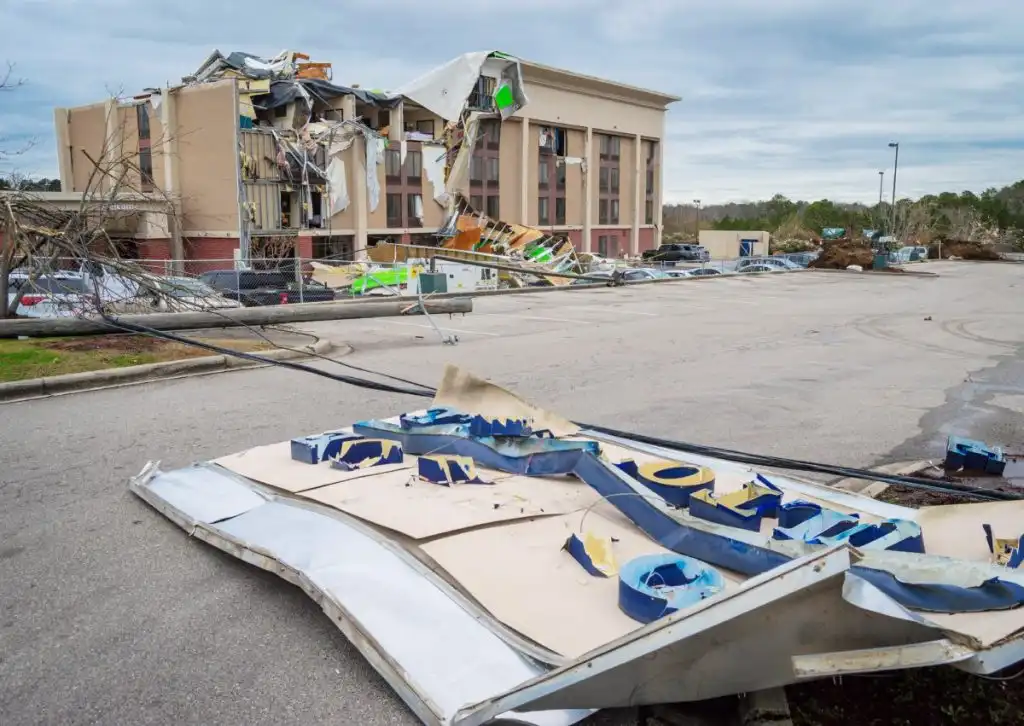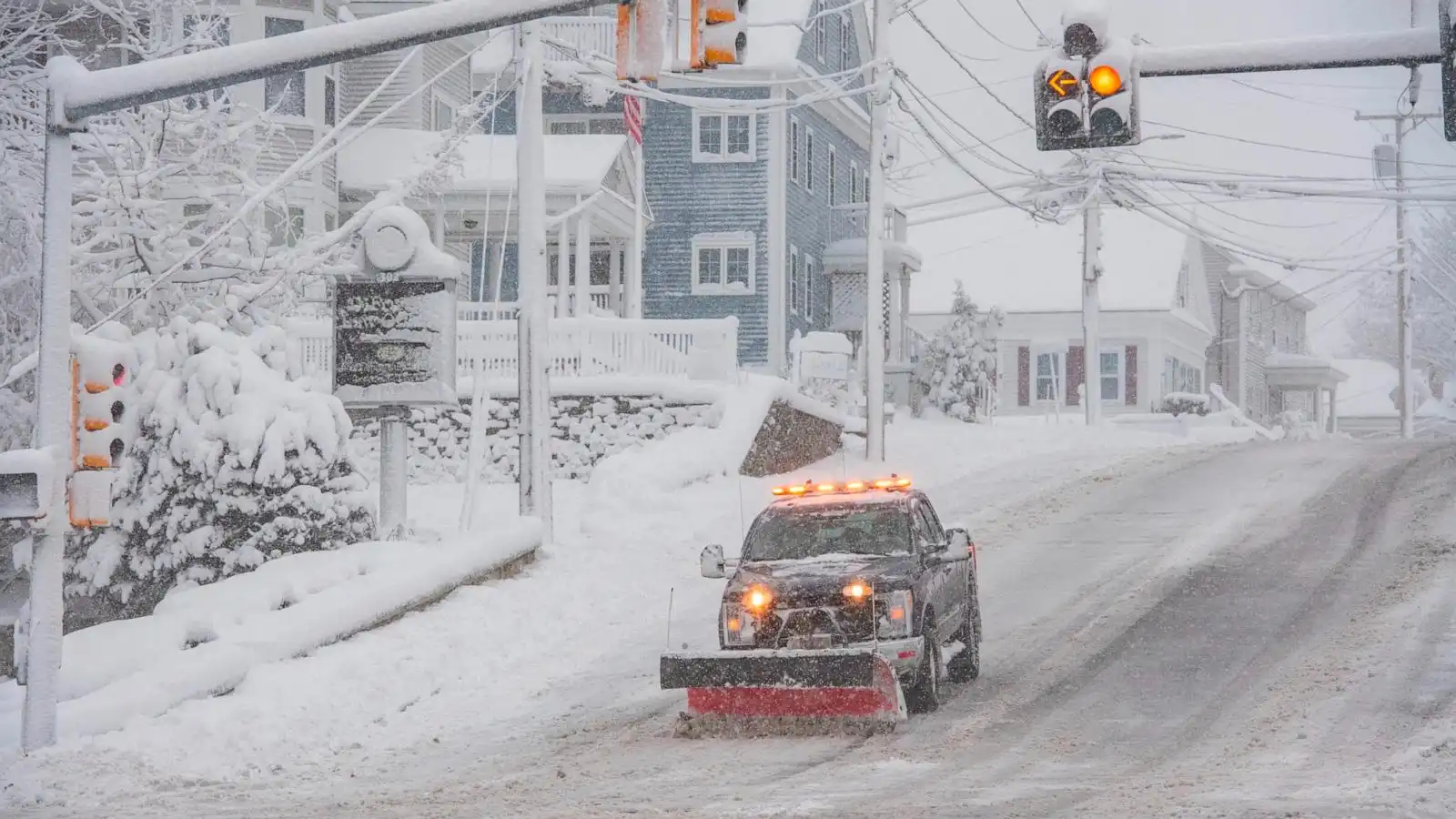
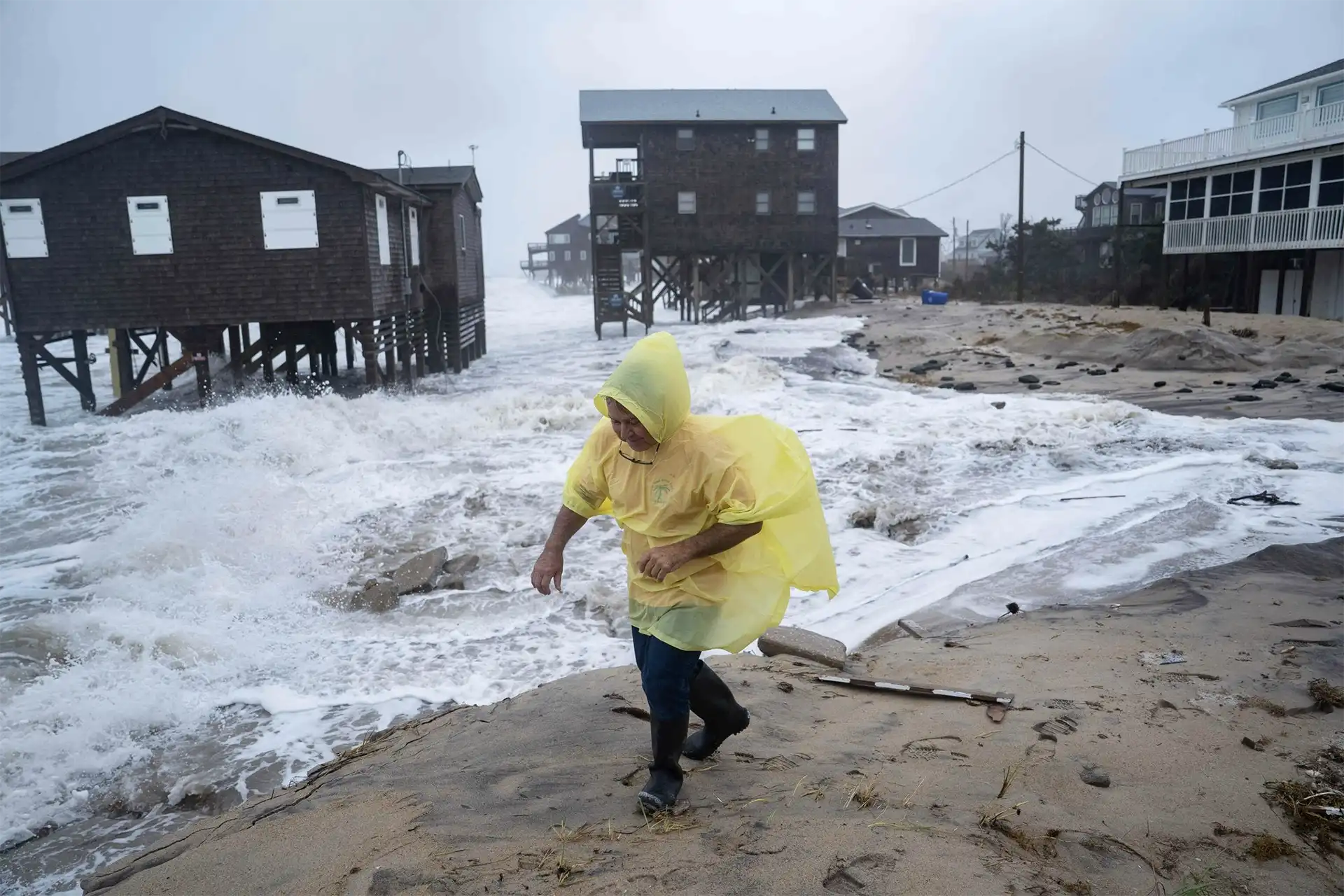
New Jersey homeowners know that fall and winter storms can bring unpredictable and damaging weather. From high winds and heavy rain to ice and flooding, a Nor’easter can cause widespread destruction in a matter of hours.
For residents of Morris, Passaic, and Essex Counties, the aftermath often includes fallen trees, roof damage, flooding, and power outages. Once the storm passes, knowing what steps to take next can make all the difference in restoring your property quickly and safely.
At Paul Davis Restoration of Morris and Passaic Counties, our team has seen firsthand how overwhelming storm damage can be. This guide explains what to expect after a Nor’easter and how professional cleanup helps you recover efficiently.
Understanding the Impact of Nor’easters in New Jersey
Nor’easters are powerful storm systems that often form along the East Coast between October and April. They bring intense wind, coastal flooding, and prolonged rain or snow—sometimes lasting days.
Even inland communities across North Jersey are at risk of:
- Roof and siding damage from high winds
- Basement flooding from excessive rainfall
- Downed trees and power lines
- Ice buildup on gutters and structures
- Structural damage from fallen debris
Because Nor’easters often strike with little warning, homeowners are rarely fully prepared. The key is responding safely and promptly once conditions allow.
1. Safety Comes First: Assessing Your Property After a Storm
Before beginning cleanup, make sure your property is safe to enter.
Check for hazards. Downed power lines, sharp debris, and weakened structures can all pose serious risks. Stay away from standing water that could be electrified or contaminated. If you suspect gas leaks, leave the area immediately and contact your utility provider.
Inspect from a distance first. Walk around your property and look for roof damage, broken windows, and fallen trees. Take photos and notes for your insurance claim but avoid entering damaged areas until professionals give clearance.
Wear protective gear. If you must inspect up close, use gloves, waterproof boots, and a hard hat if necessary. Even small pieces of debris can be sharp or unstable.
2. The Importance of Quick Action
Storm damage can worsen rapidly if not addressed right away. Water intrusion, in particular, spreads fast through walls, floors, and ceilings, leading to mold growth within 24–48 hours.
Immediate steps to take include:
- Cover broken windows and openings with boards or tarps to keep rain out.
- Move valuable belongings like furniture, documents, and electronics to a dry area.
- Avoid using household vacuums to remove water—they’re not designed for flood cleanup.
- Do not attempt electrical repairs without a licensed professional.
Calling a trusted restoration company early ensures that mitigation begins before secondary damage sets in.
3. What to Expect from Professional Storm Damage Cleanup
Professional restoration teams follow a structured process to return your property to pre-loss condition. At Paul Davis Restoration, we handle every stage, from emergency response to final reconstruction.
Emergency Board-Up and Roof Tarping
Our technicians secure your property immediately after the storm. Temporary coverings prevent additional rain or debris from entering the structure while assessments are completed.
Water Extraction and Drying
Industrial pumps and vacuums remove standing water. Dehumidifiers and air movers then dry the structure thoroughly to stop mold growth and stabilize building materials.
Debris Removal and Structural Assessment
Downed trees, damaged roofing, and broken materials are removed safely. Our experts inspect for structural integrity, ensuring that hidden weaknesses are identified before reconstruction begins.
Cleaning and Sanitization
Floodwaters often contain bacteria and contaminants. We clean and disinfect affected areas using EPA-approved products to protect your home’s environment.
Repairs and Reconstruction
Once the site is dry and clean, our team begins restoring damaged walls, flooring, and roofing. Whether it’s minor repairs or complete reconstruction, we coordinate every phase to ensure a seamless process.
4. Common Types of Storm Damage in North Jersey
Different homes face different vulnerabilities during Nor’easters. Understanding them can help you plan repairs more effectively.
Roof Damage
High winds can lift shingles, crack flashing, or expose underlayment. Water infiltration through the roof often leads to ceiling stains, attic mold, and insulation damage.
Basement Flooding
Heavy rain combined with power outages can overwhelm sump pumps. Flooded basements require fast extraction and professional drying to prevent structural issues.
Exterior and Siding Damage
Wind-blown debris and ice can puncture siding or shatter windows. Prompt repairs prevent moisture from entering wall cavities.
Interior Water Damage
Leaks from damaged roofs or broken windows can quickly spread through drywall and flooring, leading to swelling, warping, and odors.
Tree and Debris Damage
Falling trees can crush structures or block access points. Removal should always be handled by professionals with the proper equipment.
5. Working with Insurance After a Storm
Insurance claims can be one of the most stressful parts of recovery. Proper documentation and professional assessments help streamline the process.
- Take photos and videos before moving anything.
- Keep receipts for emergency repairs and temporary housing if applicable.
- Notify your insurance company as soon as possible.
- Request a written estimate and detailed report from your restoration provider.
Paul Davis Restoration works directly with most major insurance carriers. Our team provides all necessary documentation—moisture readings, structural assessments, and cost estimates—to help homeowners receive fair and timely settlements.
6. Preventing Future Storm Damage
While no one can control the weather, preventive maintenance can help reduce damage during future storms.
- Trim overhanging branches and remove dead trees before winter.
- Clean gutters and downspouts to keep water flowing away from the foundation.
- Inspect your roof and siding for cracks or loose materials before storm season.
- Install a backup generator to keep sump pumps and essential systems running during power outages.
- Review your insurance coverage to confirm it includes storm and flood protection.
These proactive measures can make your home more resilient when the next Nor’easter strikes.
7. Why Choose Paul Davis Restoration
After a storm, homeowners need more than cleanup—they need peace of mind. Paul Davis Restoration of Morris and Passaic Counties has been helping New Jersey families recover from storm and water damage for over a decade.
We provide:
- 24/7 emergency response across Essex, Morris, and Passaic Counties
- Certified technicians specializing in water, mold, and structural restoration
- State-of-the-art drying and odor-removal equipment
- Full reconstruction and insurance claim support
From the first phone call to the final inspection, our team handles every step with professionalism and care.
Conclusion
Nor’easters are a part of life in New Jersey, but they don’t have to cause lasting disruption. By acting quickly, documenting damage, and trusting experienced restoration professionals, homeowners can recover faster and more confidently.
If your property in Morris, Passaic, or Essex County has been affected by storm or flood damage, call Paul Davis Restoration at (973) 832-4540 for immediate help.
Our 24/7 emergency team is ready to secure your property, remove water, and restore your home or business—so you can focus on moving forward after the storm.