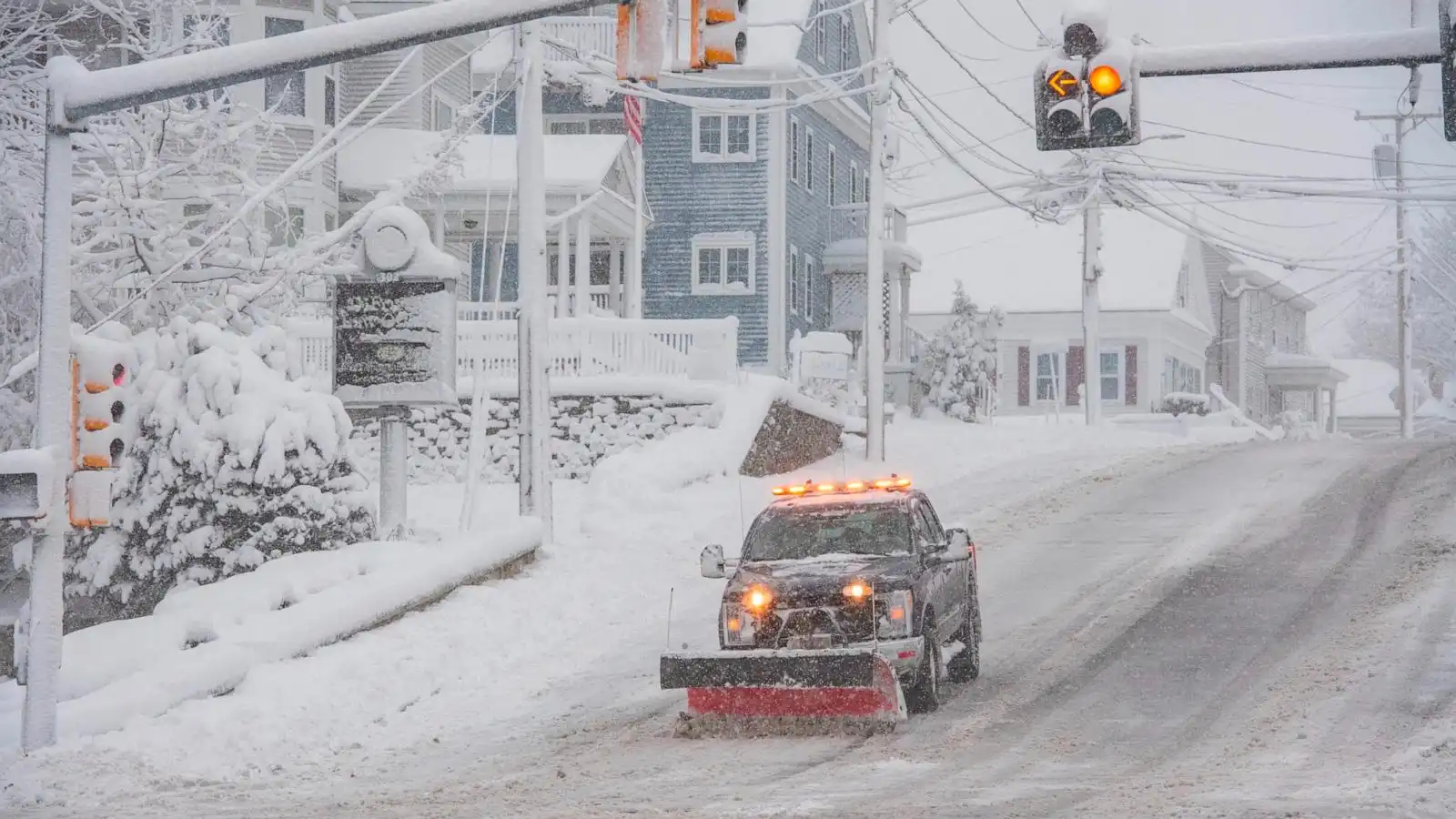
Winter storms in New Jersey can arrive quickly and cause extensive property damage. Snow, ice, and freezing temperatures combine to create hazards that test even the most well-maintained homes. Roof collapses, frozen pipes, ice dams, and power outages can all lead to costly repairs—and often when homeowners least expect them.
For residents of Morris, Passaic, and Essex Counties, winter preparedness is about more than comfort—it’s about protection. By taking preventive measures before the first major snowfall, you can safeguard your property and avoid the most common cold-weather emergencies.
1. Inspect and Maintain Your Roof
Your roof bears the brunt of every winter storm. Heavy snow accumulation, freeze-thaw cycles, and high winds can compromise shingles, flashing, and gutters.
Check for visible damage. Look for loose or missing shingles, cracked flashing, and sagging sections that could allow water to penetrate. If you notice signs of wear, schedule repairs before winter weather worsens the damage.
Clean gutters and downspouts. Leaves and debris block water flow, causing ice dams that force melting snow under shingles. Clear gutters thoroughly and ensure downspouts extend several feet away from the foundation.
Consider a roof inspection. A professional inspection can reveal weak points not visible from the ground, including structural stress or hidden leaks.
Taking these steps now prevents water intrusion and roof damage once snow begins to pile up.
2. Prevent Ice Dams and Attic Leaks
Ice dams form when heat from your home melts snow on the roof, only for it to refreeze near the eaves. Over time, this ice blocks proper drainage and forces water back under the shingles.
Improve insulation and ventilation. Warm air escaping from the attic contributes to uneven roof temperatures. Proper insulation keeps warm air inside, while ridge and soffit vents help maintain consistent airflow.
Seal attic gaps. Check for openings around chimneys, vents, and light fixtures. Sealing these gaps prevents warm air leaks that contribute to melting and refreezing.
Use a roof rake after storms. Removing excess snow from roof edges reduces the weight load and limits ice dam formation.
If you suspect water damage from an ice dam, contact Paul Davis Restoration of Morris and Passaic Counties for inspection and cleanup before hidden leaks become major problems.
3. Protect Pipes from Freezing
Burst pipes are among the most common winter emergencies. When water inside pipes freezes, it expands, creating pressure that can rupture fittings and joints.
Insulate exposed pipes. Pay attention to plumbing in unheated areas like basements, crawl spaces, and garages. Foam sleeves or fiberglass insulation offer inexpensive protection.
Seal cold drafts. Even a small air leak can lower surrounding temperatures enough to freeze pipes. Seal cracks and openings near exterior walls.
Keep water moving. During extreme cold, let faucets on exterior walls drip slowly to maintain flow. Moving water is less likely to freeze.
Maintain indoor heat. Keep your thermostat above 55°F, even if you’re away. Open cabinet doors under sinks to allow warm air to circulate.
If a pipe does burst, shut off the main water valve immediately and call a licensed plumber. Then contact Paul Davis Restoration for emergency water extraction and structural drying to prevent further damage.
4. Prepare for Power Outages
Nor’easters and ice storms can knock out electricity for hours or even days. Planning ahead ensures your household stays safe and functional when the lights go out.
Stock up on essentials. Keep flashlights, batteries, bottled water, and nonperishable food on hand. Charge phones and power banks before a storm.
Use generators safely. Operate generators outdoors and away from windows or doors to prevent carbon monoxide poisoning. Never use them in enclosed spaces.
Prevent frozen pipes during outages. If your heating system shuts down, open faucets slightly and drain exposed lines to relieve pressure. Use blankets and layers to retain heat until power returns.
Unplug sensitive electronics. Power surges when electricity is restored can damage appliances and computers.
5. Check Heating Systems and Fireplaces
Your heating system works hardest during storms. Regular maintenance ensures it runs safely and efficiently all season.
Schedule an HVAC inspection. Have your furnace or boiler cleaned and inspected annually. Replace filters every one to three months to improve airflow and efficiency.
Clean chimneys and vents. Creosote buildup in chimneys increases fire risk. Hire a certified chimney sweep before lighting the first fire of the season.
Install and test carbon monoxide detectors. Because windows stay closed in winter, CO buildup from malfunctioning heating systems can be deadly. Place detectors on every level and outside sleeping areas.
By keeping your heating system in top condition, you’ll not only stay warm but also prevent potential smoke or fire hazards.
6. Winterize Doors, Windows, and Exterior Features
Drafts and leaks around doors and windows can raise energy costs and allow moisture to enter during storms.
Inspect seals and caulking. Replace worn weather stripping and reseal gaps to improve insulation. Check for condensation or frost buildup—signs that warm air is escaping.
Secure outdoor structures. Store patio furniture, grills, and planters indoors to prevent wind damage. Drain garden hoses and shut off exterior water spigots.
Trim overhanging branches. Ice and heavy snow can cause limbs to break, damaging roofs or power lines. Regular pruning reduces this risk.
7. Review Insurance and Emergency Plans
Take time before winter storms hit to review your homeowner’s insurance policy. Confirm coverage for wind, snow, and water damage, and keep your policy number and contact information accessible.
Prepare an emergency plan that includes:
- Contact details for local utilities and contractors
- The location of your water shut-off valve
- A list of family members’ emergency contacts
- Your preferred restoration company (Paul Davis Restoration)
Having this information ready speeds response and minimizes stress when every minute counts.
8. Rely on Professional Help After Severe Weather
Even the most prepared homeowners can experience unexpected damage during a severe winter storm. Roof leaks, burst pipes, and flooding can occur suddenly, leaving behind water, debris, and structural damage.
Paul Davis Restoration of Morris and Passaic Counties provides 24/7 emergency services throughout North Jersey, including Morristown, Wayne, Clifton, and Montclair. Our certified technicians handle:
- Water extraction and drying
- Roof tarping and board-up services
- Mold prevention and remediation
- Structural repairs and reconstruction
We work directly with insurers to ensure claims are processed quickly and accurately, helping homeowners recover faster.
Conclusion
Winter storms are inevitable in New Jersey, but costly damage doesn’t have to be. By inspecting your roof, insulating pipes, and preparing your home’s systems before the next snowfall, you can weather the season safely and confidently.
If a storm causes water or structural damage to your home in Morris, Passaic, or Essex County, contact Paul Davis Restoration at (973) 832-4540 or visit our Storm Damage Services page.
Our team is available 24/7 to protect, repair, and restore your property—so you can focus on staying warm and worry-free this winter.